
Donor retention is one of the hardest problems in fundraising. World-class gyms have been solving the same problem (monthly commitments, fading motivation, easy cancellation) for decades. In this article, I share seven lessons from the fitness industry that charitable organisations can't afford to ignore.
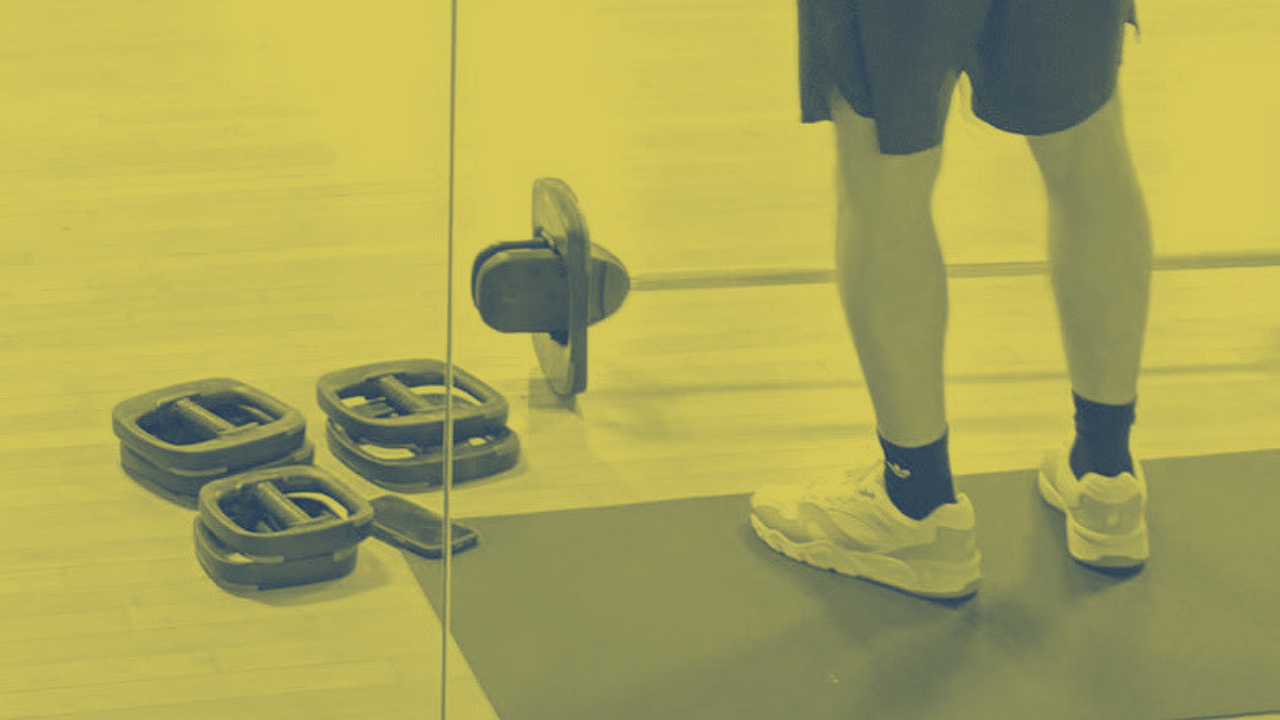
Most people are surprised to learn that I have a degree in exercise science. Probably because I've never been much of a fitness junkie. I didn't play sports, and I have a complicated relationship with the gym. But, as a fundraiser, I have observed some important business truths at the gym that can (and should) be applied to charitable giving.
For most of my time living in New Zealand, I was a member of LesMills - and if you haven't heard of them, here's what you need to know. LesMills is a New Zealand-born fitness company that basically invented the fitness class as we know it. The company now operates in over 100 countries, and thousands of gyms around the world license their methodology, their music, their choreography, and their instructor training. It's one of the most quietly influential fitness brands on the planet.
At LesMills in Auckland, going to the gym wasn't just going to the gym. It was going to LesMills. There's a diference, and it was a difference that everyone knew.
Since returning to Canada, I joined GoodLife Fitness. And, here's what caught my attention almost immediately: GoodLife has been offering LesMills branded fitness classes for the past 20 years. The BodyPump class I take in Oshawa uses the same choreography, the same music, and the same equipment that I experienced in Auckland. Goodlife (Canada's largest gym chain) understood something important: why try and build our own world-class fitness programs when we can license the best available and put them in our facilities?
I'm sure by now, you're wondering what the fitness industry has to do with fundraising. And, I don't blame you. For me, I can't walk into a business and ignore their customer retention programs. So, when I got back into the gym, I immediately started recognizing the shocking similarities between the fitness industry and the charitable sector. Both are tasked with the same challenge: keeping people committed to something monthly, when life gets busy, motivation fades and cancellation is just a phone call away.
However, when you take a closer look at what LesMills and GoodLife have implemented, you'll start to see some valuable strategies that will improve your retention program, immediately.
From my very first visit to GoodLife, the front desk team greeted me by name. Not just on day one - every single time. When they found out I'd lived in New Zealand, the LesMills fans came out and we had a genuine conversation. When I leave the gym, someone always says goodbye. Most times, we have a chat. It never feels forced or scripted. And, what strikes me most is that this warmth isn't coming from one super-friendly staff member. It's consistent across the team.
At LesMills, recognition was woven into the class experience itself. Instructors knew the regulars. The front desk remembered which classes you were signed up for. The culture consistently communicated that you were a recognized and important part of their community. That they would notice if you weren't there.
Why it works: Recognition is the foundation of any strong retention strategy. It tells you that you're more than your monthly payments, you actually matter. When someone feels genuinely seen, the small frustrations that pop up (broken treadmill, busy change room, price increase, etc.) stop being reasons to cancel. The relationship absorbs that friction. Both GoodLife and LesMills have made recognition a system that is repeated over-and-over, consistently. It's not left up to the personality of the front desk attendee that day.
What can we as fundraisers learn? Think about the donors who have been giving monthly for a few years. Do they feel recognized? Would someone know who they were when they called into your organization? Or, would they just feel like an account, only noticed when their monthly donation doesn't go through? Recognition at scale isn't impossible. It requires the same ingredients that these gyms use: a system, a standard, and a culture that values it. A donor who feels genuinely recognized doesn't just stay longer, they give more, refer others, and extend grace when your organization falls short.
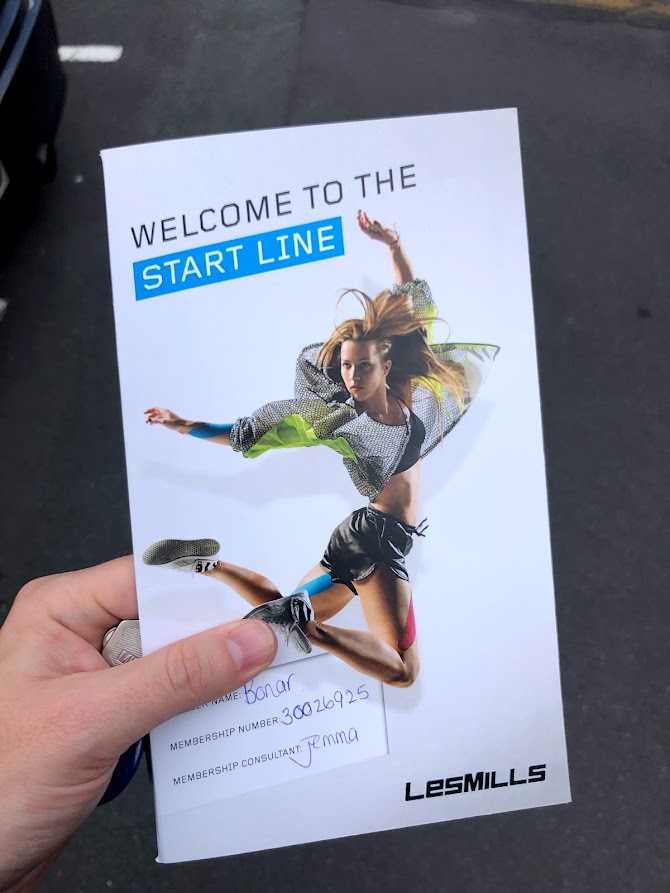
When I joined LesMills, I was handed a welcome pack with my name, membership number, and membership consultant's name handwritten onto it. This was a personal touch that I wasn't expecting. I know it wasn't much, but the fact that someone had handwritten my name set the tone.
GoodLife took a similar approach, executed differently. They didn't just hand me a fob and point to the changing rooms. Instead, I was given a personal tour of the facilities, introductions to staff members by name, and even introductions to other gymgoers. I was given a branded water bottle and gym bag, along with a list of partner discounts I was welcome to use now that I was a member. I felt like a part of the community before I had even started. That experience was intentional, personal, and scalable for every new member who comes through the door.
Why it works: The first 90 days of any recurring relationship are the most predictive of long-term retention, regardless of industry. Onboarding isn't admin, it's strategy. It answers the questions every new member is asking in their heads: did I make the right decision? do I belong here? will this be worth it? If you can answer those questions well, you'll have a strong foundation to build your relationship. Fail to answer them, and the person will likely have one foot out the door before the second payment comes through.
What can we as fundraisers learn? Take a look at what actually happens when someone sets up a monthly donation to your organization. They receive an automated email with a receipt, possibly a newsletter, and a tax receipt at the end of the year. Your donors made a commitment and it's our job as fundraisers to ensure those donors feel validated in that decision. It doesn't have to be expensive. A welcome pack mailed to their home. A phone call in the first week. A clear explanation of what the relationship will look like going forward. If your donors receive a genuine welcome, they the relationship with your organization starts on the right foot. If they don't, they're probably already wondering if they've made the right call.
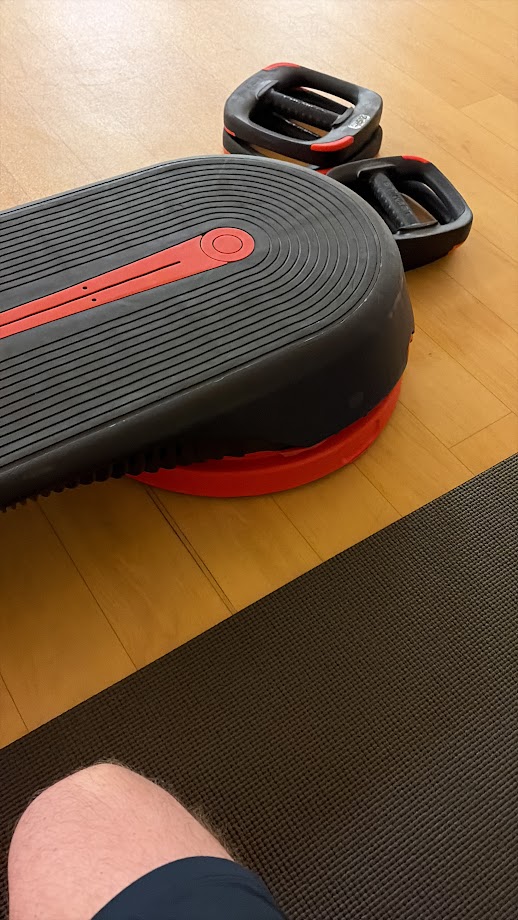
LesMills doesn't stand still. For the 8 years that I lived in Auckland, there were always new classrooms, state-of-the-art studios, updated choreography every quarter, a cafe in the lobby, high quality online workout videos for when you couldn't make it in. Every visit, there was visible evidence that LesMills was reinvesting in that experience. Going to that gym felt like being part of something that was always getting better.
GoodLife takes a smart shortcut here (and I mean that as a compliment). Rather than building its own fitness methodology from scratch, it licensed the best one available. The equipment, the studio design, the instructor training, the choreography - that's all LesMills IP, delivered at GoodLife. When I walk into a GoodLife class in Oshawa, I'm experiencing the same programme I fell in love with in Auckland. Every time the quality at LesMills gets better, the quality at GoodLife gets better. Whenever I go to the gym, GoodLife is telling me: we've invested in the best programme we could find, and your membership gives you access.
Why it works: New equipment tells members: we reinvest in your experience. Fresh towels say: we pay attention to detail. LesMills branding on the fitness class schedule says: we brought in the best, because you deserve it. These all signal quality, and they do the quiet work of building confidence that the membership fee is justified. There's also something special in GoodLife's decision to license rather than invent. It says the company cares more about delivering results than protecting its own ego. If a member doesn't see the quality in the service they are paying for, they're already halfway out the door.
What can we as fundraisers learn? Your donors are looking for signs of quality, too. They're not expecting fresh towels, of course, they're looking for clues that your organization is doing good things with their donations. Impact reports that actually show impact, touchpoints that feel personal, donor preferences that are respected. If your donors don't see quality in how you operate, they'll be asking themselves: does this organization value my support? would my donation be better used elsewhere?
Next week, my GoodLife location is running a fundraising week. Free classes, a raffle, giveaways, and (my personal favourite) the chance to pie the manager in the face. All of it to raise money for kids who can't afford to participate in fitness programmes across Canada. For the past few weeks, you could feel the energy in the gym starting to build. Staff are genuinely excited. They're rallying members, talking about it between classes, working together toward something that clearly matters to them personally. None of this is in their job description. It's a passion project.
At LesMills, this energy was baked into the culture from the beginning. The instructors weren't just fitness professionals, they were believers. They believed in the brand, in the methodology, and in the community they were building one class at a time. That conviction showed up in every session. When your staff are genuine members of the tribe, the tribe grows.
Why it works: When staff are personally connected to the mission behind the membership, that connection is contagious. It changes how others experience the culture - members aren't just buying access to the equipment, they're joining something that stands for something. Staff enthusiasm shouldn't just be a perk of the job, it should be a natural output of an organization that gives its people something to believe in.
What can we as fundraisers learn? The strangest part about this is, charities should have the most mission-driven staff out of all companies. But, that hasn't been my experience. Fundraising teams are frequently siloed from the work they're talking to donors about, at arm's length from the communities, the beneficiaries, the programmes, the results. The wall between programmes and fundraising doesn't make sense. It reduces the ability to communicate the mission. When your fundraising staff believe in the work, donors can feel it.
At LesMills, you don't just going to the gym, you go to LesMills. That distinction mattered more than I realized at the time. Membership was a part of your identity - something you deliberately mentioned to people, it said something about you. Everything about LesMills reinforced it. You belonged to something with a name, a reputation and a tribe of people who felt the exact same way.
At GoodLife, community is built a bit more quietly. Gymgoers talk to one another. They follow the gym ettiquette and enforce the rules when they're broken. They share their experience and recommend classes to each other. There's a culture that attracts a certain kind of person, and that reinforces itself through the people it attracts. Both LesMills and GoodLife understand that gyms aren't just about fitness... they're about showing up together, regularly, toward something.
Why it works: The gymgoer who has made friends in the Tuesday morning HIIT class is not cancelling their membership. The class (and the people in it) is the reason they come back every week. When a member belongs to a community inside a gym, cancellation is no longer just a financial decision - it's a social one. They're not just leaving a gym. They're leaving their people, and that's a much more difficult decision to make.
What can we as fundraisers learn? Most organizations tend to offer an individualized donor experience - giving alone, receiving communications alone, never introduced to others who give to the charity. They may be served up a case story of a major donor or bequestor in the annual report, but there's no real sense of community with others. When motivation fades (as it does for most people), there's no social decision to make. The organizations that build genuine donor communities create something the donor would actually lose by cancelling. It doesn't have to start with events or facebook groups. It starts with language: you're part of a community of people who believe this.
Build the tribe first, and retention will follow.
I was once at an international fundraising conference where a peer divulged the strategy that their organization was using to keep donors - they ignore them. Rather than remind them that they're giving each month, they were silently relying on the fact that most donors would forget the donation was coming out, and as a result, wouldn't cancel their monthly giving.
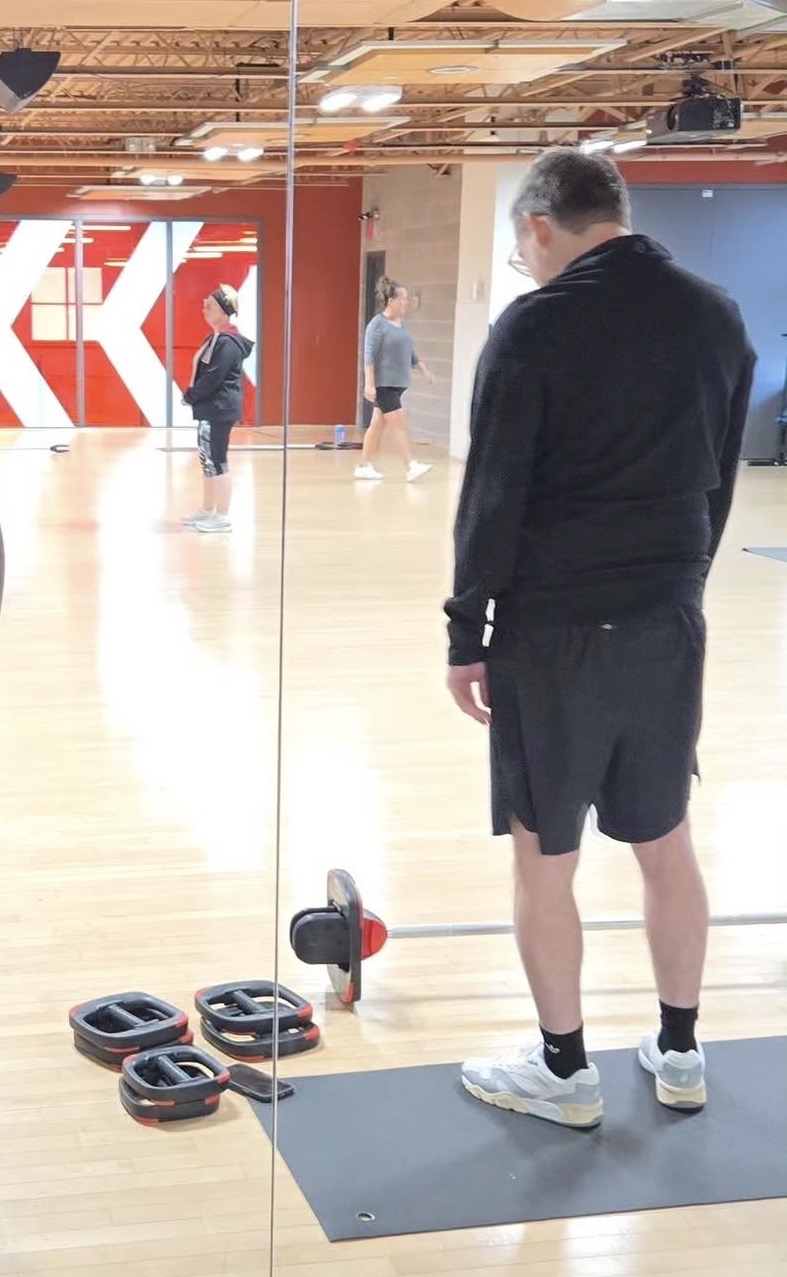
At the gym, not every paying member comes through the door every week. In fact, just like the charity I just mentioned, the fitness industry relies on that fact in their planning each year. But one thing it doesn't do is ignore them. Both LesMills and GoodLife track attendance and flag members who haven't visited in a defined period. They send re-engagement messages that are personalized, low-pressure, and focused on reducing the barriers for members to come back. Some locations pick up the phone and call members proactively to get them more engaged.
Why it works: The member who has stopped coming to the gym is not the same as the member who has cancelled. They're still paying. They still have some connection to the idea of going to the gym. The window that exists between disengagement and cancellation is critical, and too often overlooked. Gyms that treat it as a proactive retention opportunity retain far more members than those who wait for the cancellation call. The key is meeting with the lapsing member where they are, and making it easy to return.
What can we as fundraisers learn? Your version of the member who stopped coming to the gym is the donor who has gone quiet. They may still be making their monthly donations, but they have stopped opening your emails. They don't respond to surveys. They're disengaged, but not yet cancelled. If you have a system in place to proactively connect with donors when they're at this stage, you're ahead of most. Organizations that track engagement (and do something about it) will retain the donors that everyone else loses. The save conversation doesn't have to wait until someone calls to cancel.The best version of it happens months earlier, while there's still a relationship to save.
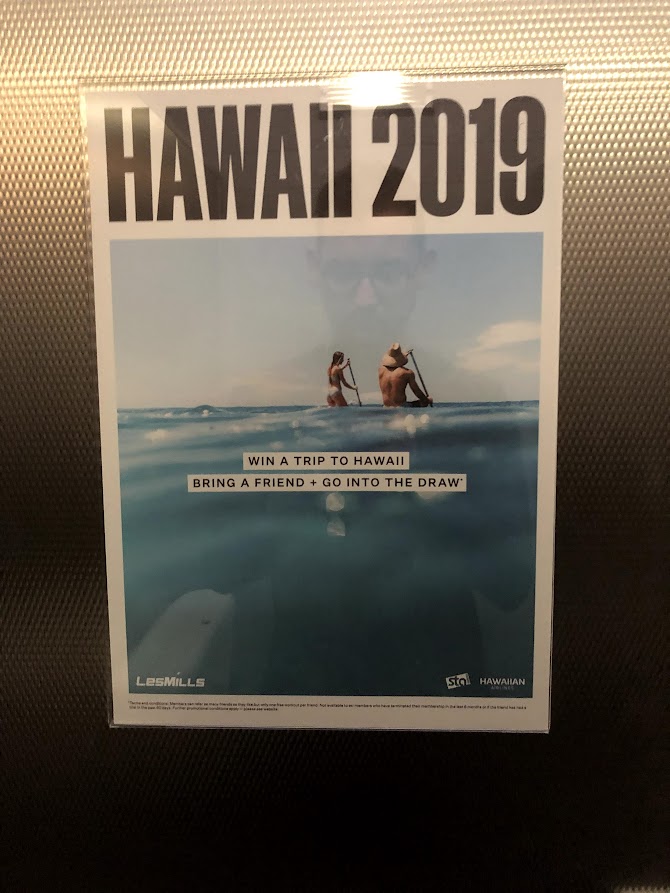
LesMills ran a referral programme with a beautifully simple premise: bring a friend to the gym, and go into the draw to win a trip to Hawaii. The posters were displayed all over the gym as a reminder that membership had benefits beyond the workout. And the fine print was worth reading: not available to members who had cancelled in the last six months. Retention and referral, deliberately linked.
At GoodLife, referrals are a part of the payment structure. If you refer a friend or family member, you receive a discount on your monthly gym fees. This isn't a one-time prize, and it's not awarded to some lucky soul who wins the draw. It's available all the time, for everyone who refers. Every friend you bring gives you another reason to stay.
Why it works: Both of these methods work because they turn members into active participants, rather than passive recipients. When a member refers someone, they're putting their name behind the gym. They're saying that the benefits are worth the monthly cost. The referral programme doesn't just acquire new members, it also deepens the commitment of those who refer by building a social network of motivated and aligned members.
What can we as fundraisers learn? Most charities have no formal referral programme for donors. The closest thing -- peer-to-peer fundraising -- is one-off and notoriously challenging for second gift conversion. Nobody's monthly gift goes down because they referred a friend. Very few donors win trips for introducing colleagues to the cause. However, when an organization is referred by a trusted friend, those donors are much more likely to stay than those who don't refer. They've vouched for the charity publicly. They can't just leave without others noticing. A well-designed referral programme can be a significant source of sustainable growth for your donor file.
For me, I love finding new and relevant ways to connect with donors. That's why I'm always comparing the experience I have as a donor with what I receive in restaurants, retail stores, coffee shops, and the gym. Sometimes, charities are well ahead of the corporate world. But there are always lessons to be learned, and that's what this article was meant to do.
The fitness industry has spent decades learning how to keep people committed to something challenging, expensive and easy to quit. I believe there's a lot of takeaways we can apply to our own fundraising programmes, for the better.
If you've got other ideas I haven't thought of, I'd love to chat! Email me or, better yet, book in a 30-minute slot with me here.
Your supporters gave you a gift. Show them what it meant.




Field photography was taken during professional program visits across 20+ countries. All individuals pictured have provided consent for the use of their image in materials promoting international development and child welfare programs. Images are used here for educational purposes to illustrate the impact of donor-funded programs.